
When you source products from China, shipping is not just the final step — it is a strategic part of your purchasing decision. Many first-time importers focus on price, quality, and production time. However, experienced buyers know that compliance and transport restrictions can quickly turn a profitable order into a costly delay.
In this beginner’s guide before shipping from China, we explain why you must confirm cargo requirements with your freight forwarder before you place your order — especially when you deal with sensitive or restricted goods such as batteries, liquids, powders, medical products, and used machinery.
Why You Should Talk to Your Freight Forwarder Before Purchasing
Before you confirm your supplier, you should already understand how your cargo can legally and safely move from China to your destination country.
Different products fall under different regulatory frameworks. Airlines, shipping lines, and customs authorities follow strict international standards such as those issued by the International Air Transport Association (IATA) and the International Maritime Organization (IMO). If your product does not comply with these rules, carriers will reject it — even if your supplier has already finished production.
Therefore, you should confirm the following before production begins:
Whether the cargo qualifies as dangerous goods
Whether special packaging is required
Whether export licenses are necessary
Whether your destination country requires additional certification
Whether the product can ship by air, sea, or courier
This early communication prevents storage fees, return shipments, customs penalties, and shipment cancellations.
Special Cargo Categories You Must Confirm in Advance
1. Batteries and Products with Built-in Batteries
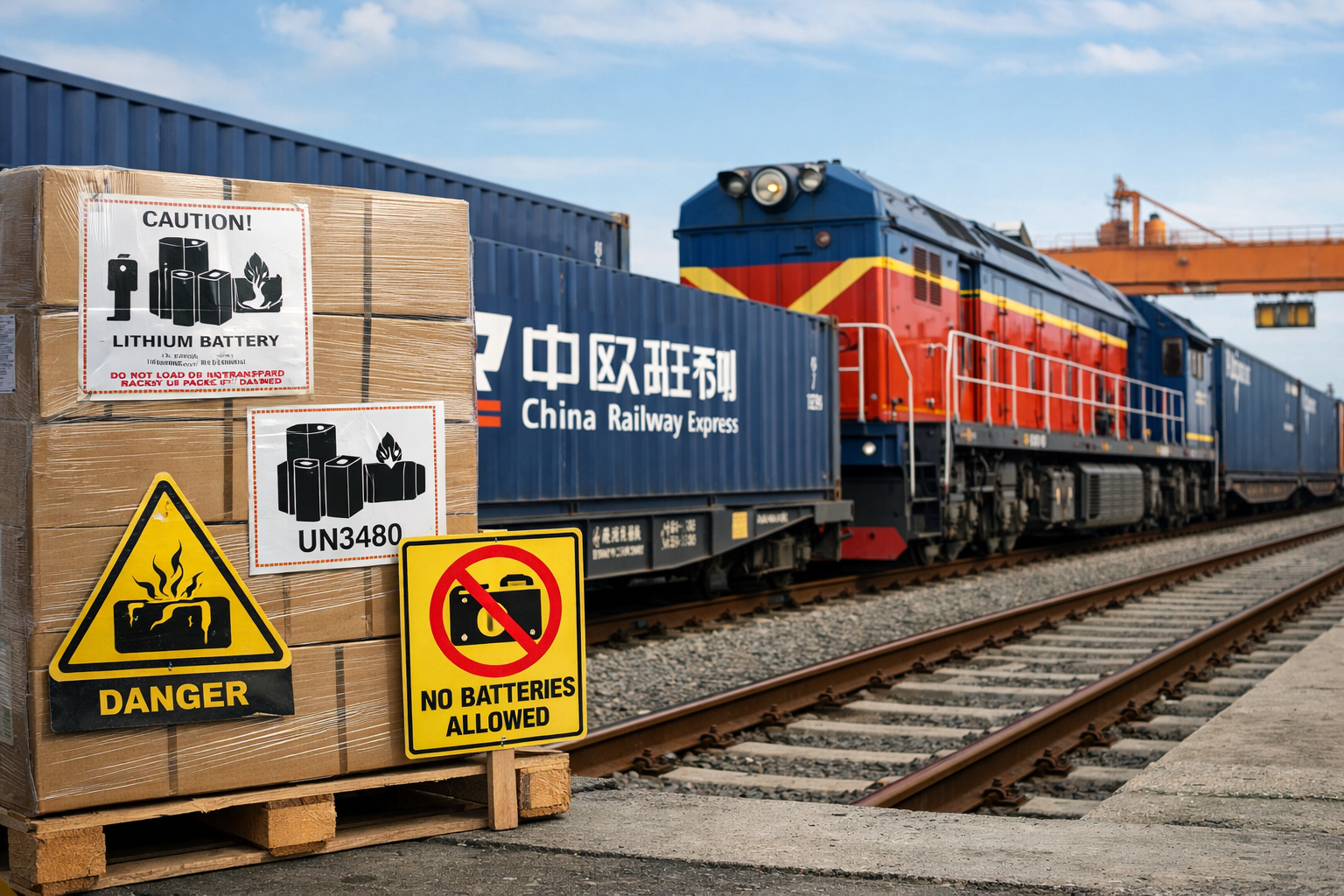
Battery shipments face strict transport regulations, especially lithium batteries. Airlines apply detailed dangerous goods rules, and shipping lines also require proper declaration.
You should confirm:
Whether the battery is lithium-ion or lithium-metal
UN38.3 test report availability
MSDS documentation
Correct UN packaging standards
Whether the product ships as DG (Dangerous Goods) or general cargo
If you fail to declare batteries properly, carriers may blacklist your shipment. Always let your freight forwarder review battery specifications before booking space.
2. Liquids (Cosmetics, Chemicals, Oils)
Liquids often trigger additional inspections because they may qualify as flammable, corrosive, or hazardous materials.
For example:
Perfume contains alcohol
Industrial lubricants may require chemical classification
Cleaning agents often fall under DG categories
Your forwarder will check whether the cargo needs:
MSDS documentation
Hazard classification
UN-certified packaging
Dangerous goods declaration
Without proper paperwork, customs may detain your goods for weeks.
3. Powders (Food, Chemicals, Industrial Materials)
Airlines treat powder shipments cautiously due to aviation security policies. Some countries restrict powder imports, particularly for air cargo.
You should confirm:
Chemical composition
HS code classification
Whether the powder qualifies as hazardous
Whether laboratory testing is required
Sea freight may offer fewer restrictions, but customs authorities still require accurate declarations.
4. Medical Products and Devices
Medical-related cargo often requires certification both in China and in the destination country.
Depending on the product, you may need:
CE certification
FDA registration
Export medical device filing in China
Import licenses at destination
If you plan to ship to the United States, for example, authorities may require compliance with standards enforced by the Food and Drug Administration.
If documentation does not match product specifications, customs clearance will fail. Therefore, confirm compliance before production, not after shipment.
5. Used Machinery and Second-Hand Equipment
Many countries impose strict controls on used industrial machines because of environmental and safety regulations.
Before purchasing used machinery, confirm:
Year of manufacture
CE compliance (if applicable)
Inspection certificates
Fumigation requirements for wooden packaging
Destination country age restrictions
Some countries require pre-shipment inspection. Others restrict the import of second-hand medical or electrical equipment entirely. Your freight forwarder should review destination rules before you make payment.
Export Compliance in China: Why It Matters
China enforces export supervision for certain categories, including chemicals, technology products, and dual-use goods. If your supplier does not hold the proper export license, customs will block the shipment.
An experienced freight forwarder checks:
Whether the supplier can legally export
Whether the product falls under restricted categories
Whether additional export documentation applies
By confirming these factors early, you reduce risk and maintain delivery schedules.
Air Freight vs Sea Freight: Choosing the Right Mode
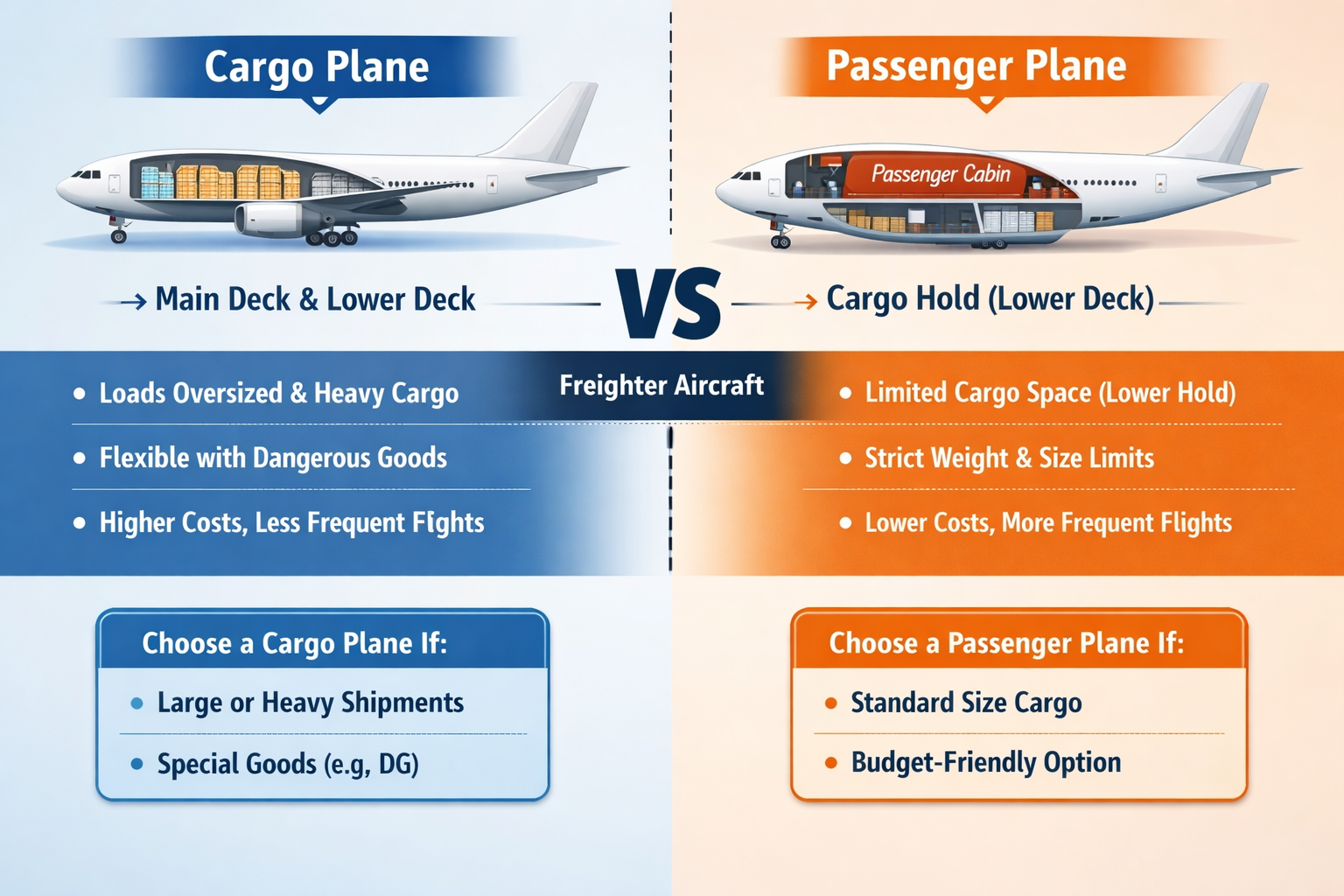
Sensitive goods may not qualify for air transport, even if you prefer faster transit time. Airlines apply stricter safety rules, while sea freight sometimes offers more flexibility for dangerous or oversized cargo.
However, sea freight involves:
Longer transit times
Port handling procedures
IMO dangerous goods requirements
Therefore, you should evaluate transport feasibility before finalizing Incoterms with your supplier.
Practical Steps Before You Place an Order
To avoid shipping surprises, follow this checklist:
Send product specifications to your freight forwarder
Provide MSDS, photos, and technical descriptions
Confirm HS code classification
Verify export eligibility in China
Check import requirements in your destination country
Confirm packaging standards
Estimate total logistics cost (including DG surcharges if applicable)
When you involve your freight forwarder at the sourcing stage, you protect your supply chain from unexpected compliance risks.
FAQ – Shipping Special Goods from China
1. Can I ship lithium batteries by air from China?
Yes, but you must provide UN38.3 test reports, MSDS, and proper packaging. Airlines may limit quantities per shipment.
2. Do liquids always count as dangerous goods?
Not always. However, you must review chemical composition and flash point to determine classification.
3. Can I ship powder products via express courier?
It depends on the composition and destination country. Many couriers apply strict screening procedures.
4. Do medical devices require export licenses in China?
Some medical devices require filing or export documentation. Requirements vary based on classification.
5. Is shipping used machinery more complicated than new equipment?
Yes. Many countries impose age limits and inspection requirements on second-hand machinery.
Final Thoughts
Shipping from China involves more than booking space on a vessel or aircraft. When you deal with batteries, liquids, powders, medical products, or used machinery, regulatory compliance becomes part of your purchasing strategy.
If you confirm cargo requirements before production begins, you reduce delays, control costs, and protect your business reputation. In international trade, preparation determines profitability — and proactive communication with your freight forwarder makes the difference between smooth delivery and costly disruption.