
QUALITY CONTROL(QC) INSPECTION IN CHINA
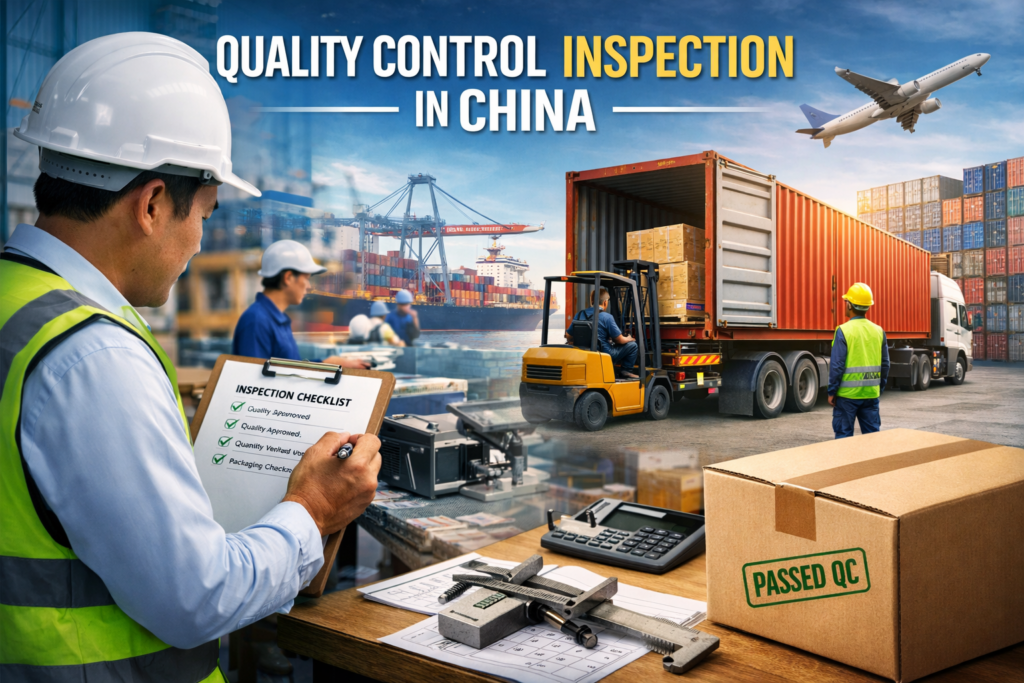
Quality control inspection is one of the most important steps in international shipping and global sourcing. It helps you verify product quality, reduce shipment risks, and avoid costly disputes before goods leave the factory. In addition, a strong QC process gives you better control over compliance, packaging, and order accuracy, which directly improves delivery reliability and customer satisfaction.
At ApexLink Shipping, we help businesses manage quality control at the right stage of production. Whether you need pre-production inspection, during-production checks, pre-shipment inspection, or loading supervision, we can support your supply chain with a structured and practical inspection process.
What Is Quality Control Inspection?
Quality control inspection is a systematic process used to confirm that products meet customer requirements, industry standards, and the import regulations of the destination market. Instead of waiting until problems appear after shipment, QC allows you to identify defects early and take corrective action before they create delays or financial loss.
This matters even more when you work with multiple suppliers or ship regulated products. For example, different markets may require compliance with standards such as CE, FDA, ISO-related requirements, HACCP, RoHS, or OEKO-TEX®, depending on the product category.
Why Quality Control Matters
A strong inspection system does more than find defects. First, it helps prevent returns, claims, and customer complaints. Next, it supports compliance with target-market rules. Finally, it strengthens your brand reputation by making product quality more consistent across shipments.
If you ship high-value goods, customized items, or products with strict import requirements, inspection becomes even more important. In those cases, a small error in material, labeling, dimensions, or packaging can create a much larger problem later in the supply chain.
QC Inspection Stages We Support
1. Pre-Production Inspection (PPI)
Pre-production inspection takes place before mass production begins. It is useful when you want to approve initial samples, verify raw materials, and confirm that the factory can follow your technical specifications correctly.
During this stage, inspectors usually review material quality, supplier qualifications, product dimensions, colors, functions, and production readiness. As a result, you can catch problems early and prevent mistakes from spreading through the full order.
2. During Production Inspection (DPI)
During production inspection takes place when around 20% to 50% of the order has been completed. This stage gives you a live view of production quality while the factory still has time to correct issues.
For example, inspectors can check key process parameters, review semi-finished goods, and confirm whether the production line is following the agreed standards. Therefore, DPI is especially useful when you want to reduce risk before the order is finished.
3. Pre-Shipment Inspection (PSI)
Pre-shipment inspection happens after production and packaging are complete, but before the cargo ships. This is one of the most common and important QC stages because it verifies the final goods before they leave the supplier.
At this point, inspectors can review appearance, function, safety, packaging compliance, labeling, shipping marks, protective measures, and final quantity. In other words, PSI helps confirm that the shipment matches the order and that the goods are ready for export.
4. Loading Supervision
Loading supervision is especially valuable for fragile, valuable, or sensitive cargo. It ensures that the right goods are loaded into the correct container and that the loading process protects the cargo from moisture, shock, or misplacement.
This stage also helps verify batch numbers, case numbers, and shipping documents. Consequently, loading supervision adds an extra layer of control when the cargo cannot afford handling errors.
QC Standards and Inspection Methods
Different products require different inspection methods. For many shipments, inspectors use AQL-based sampling, which follows internationally recognized quality principles. Depending on the product and risk level, you may also need 100% inspection, stratified sampling, or functional testing.
AQL helps determine whether a batch passes or fails based on sample size and defect level. Meanwhile, functional tests allow inspectors to simulate real usage and verify whether the product performs as expected. Because each product category has different risks, the inspection method should always match the shipment profile.
Our Quality Control Inspection Process
We follow a clear inspection workflow to keep the process efficient and transparent.
First, we define the inspection standard with the client. This includes acceptance criteria, defect limits, special testing requirements, and any country-specific compliance needs.
Next, we select the right inspection body or QC team based on the shipment and product type.
Then, our team conducts on-site inspection, reviews documents, samples products, and records defects by severity.
After that, we issue the result and advise whether the shipment passes or needs corrective action.
Finally, we support follow-up improvements with suppliers so the same problems do not happen again.
This process gives you more control, better visibility, and faster decision-making before goods move into the next stage of logistics.
Common QC Problems and How We Handle Them
In real production, issues can happen even when the supplier is experienced. For example, inspectors may find major defects during sampling, sudden changes in client standards, an uncooperative supplier, or questions from customs about the inspection report.
When that happens, we focus on root-cause analysis and practical correction. We may recommend halting production, adjusting the inspection plan, requesting a re-inspection, or asking for supporting documents such as test reports or proof of accreditation. Therefore, you can solve the problem early instead of dealing with it after shipment.
Important Notes for Better QC Management
A good QC system should always keep complete records, including inspection reports, test results, and communication history. These documents matter when you need evidence for a dispute or a follow-up with the supplier.
In addition, you should match inspection frequency to product risk. High-risk or high-value goods often need more checks than standard items. Finally, digital QC tools can help track defect trends, improve reporting, and make production quality easier to manage over time.
Why Choose ApexLink Shipping for Quality Control Inspection?
We provide tailored QC services to support your shipping needs and protect your supply chain from avoidable risk. Because we understand both logistics and inspection requirements, we can help you connect product quality with transport readiness, customs needs, and export timelines.
If you want more reliable shipments, fewer disputes, and stronger supplier control, quality inspection is not optional. It is a practical tool that helps you protect cost, time, and brand reputation.
FAQ
1. What is the purpose of quality control inspection?
Quality control inspection verifies that products meet the agreed standards, customer specifications, and import requirements before shipment. It helps reduce defects, returns, and compliance problems.
2. When should I arrange a pre-shipment inspection?
You should arrange a pre-shipment inspection after production and packaging are completed, but before the cargo leaves the factory. This timing allows you to detect issues while there is still time to fix them.
3. What is the difference between PPI, DPI, and PSI?
PPI happens before mass production starts, DPI happens during production, and PSI happens after production but before shipment. Each stage serves a different purpose, so you can choose the one that fits your order risk and timeline.
4. What does AQL mean in quality inspection?
AQL stands for Acceptable Quality Level. It is a sampling method used to decide whether a batch passes based on the number and severity of defects found in the sample.
5. Do all products need the same inspection method?
No. High-value, low-volume, fragile, or regulated goods may need 100% inspection or functional testing, while other products may only require sampling. The best method depends on the product type and risk level.
6. Can QC inspection help with customs clearance?
Yes. When inspection records and shipping documents match the actual goods, customs problems become less likely. If customs questions the report, supporting evidence such as third-party accreditation or test reports can help.
7. What happens if defects are found?
If defects are found, we can recommend corrective actions, rework, or a shipment hold depending on the severity of the issue. The goal is to solve the problem before it becomes a more expensive claim after delivery.