
TRUCKING FREIGHT FROM CHINA| MORE FLEXIBLE FREIGHT
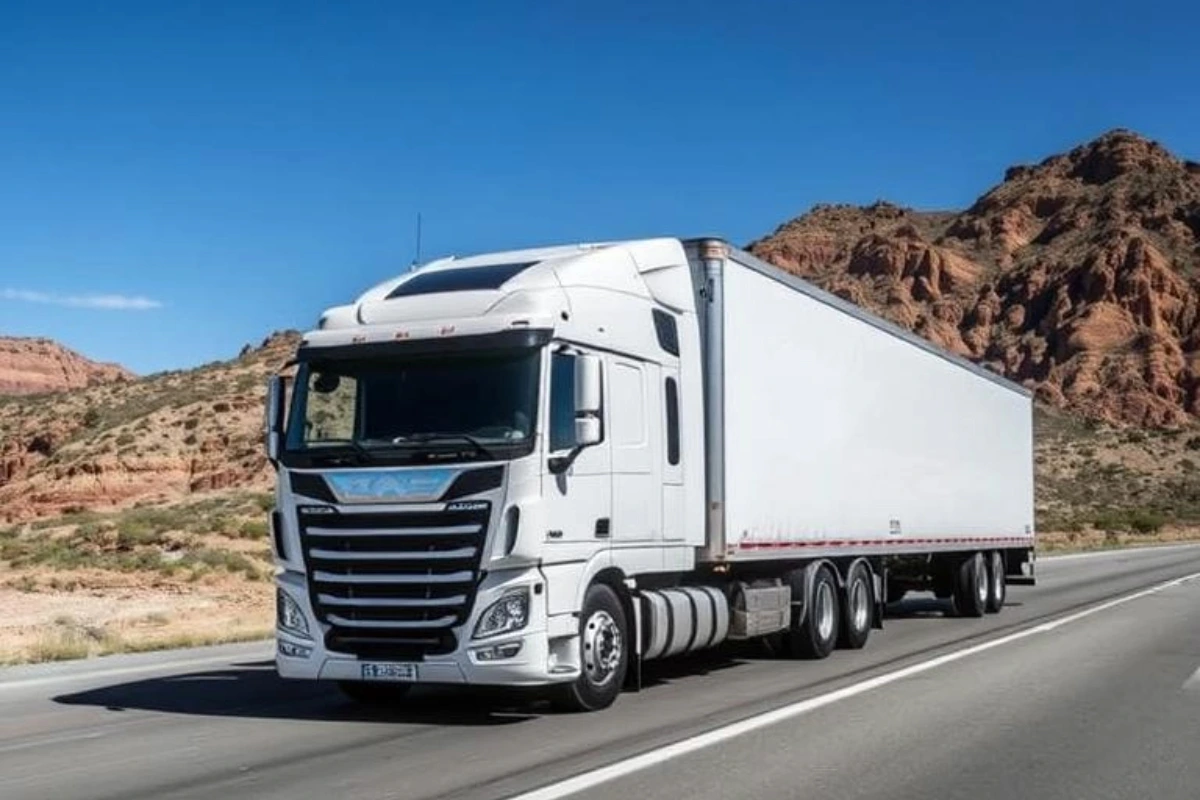
Main Types of Trucking Freight From China
Full Truckload (FTL)
Ideal for large shipments where one customer uses the entire truck. Loaded to capacity, it goes directly to the destination, offering speed and efficiency.
Less Than Truckload (LTL)
Suited for smaller shipments. Multiple shippers share space on one truck, sharing costs. However, this often involves more stops and transfers, leading to longer transit times.
Refrigerated Freight (Reefer)
Uses refrigerated trucks or trailers to move temperature-sensitive goods like perishable foods or pharmaceuticals.
Hazardous Materials (Hazmat) Freight
Specialized transport for dangerous goods like chemicals or flammable materials requires strict adherence to safety regulations.
Container Freight
Utilizes standardized shipping containers carried by trucks. Common in international logistics or multimodal transport (e.g., connecting sea or rail with road).
Advantages of Trucking
Maneuverability & Flexibility
Trucks can go door-to-door, reaching destinations directly without transfers. This is especially valuable for inter-city and urban-to-rural logistics.
Route Flexibility & Adaptability
Not restricted to fixed routes like rail or sea, trucks can adjust paths based on need, handling diverse terrains and unexpected situations.
Wide Range of Cargo
Capable of transporting bulk goods, smaller shipments, refrigerated items, hazardous materials, and oversized equipment, meeting various shipper needs.
Shorter Transit Times
Compared to rail or sea freight, road transport is generally faster, particularly for short and medium distances.
Strong Multimodal Link
As a crucial link in the supply chain, trucking seamlessly connects with rail, sea, and air transport, boosting overall logistics efficiency.
Disadvantages of Trucking
Relatively Higher Costs
While cost-effective for short and medium distances, the per-unit cost for long-haul transport is often higher than rail or sea freight.
Weather & Road Condition Vulnerability
Adverse weather (heavy rain, snow), traffic jams, or roadworks can easily cause delays.
Limited Capacity
Restricted by vehicle size and road weight limits, trucks can’t move massive quantities of ultra-heavy cargo like rail or sea vessels can.
Higher Safety Risks
Due to higher accident rates on roads, risks like cargo damage, traffic accidents, and theft are greater compared to rail or air.
Environmental Impact
Traditional diesel trucks emit carbon dioxide (CO₂), nitrogen oxides (NOx), and particulate matter (PM), contributing significantly to pollution.
Regulatory Restrictions
Many cities impose truck access restrictions (like time bans or zones), and strict overloading regulations can impact efficiency.
FTL (Full Truckload) vs. LTL (Less Than Truckload)
|
Comparison Item
|
FTL (Full Truckload)
|
LTL (Less Than Truckload)
|
|---|---|---|
|
Definition |
A single shipper charters an entire truck to transport the goods |
The cargoes of multiple shippers are combined and transported on one truck |
|
Applicable cargo capacity |
Suitable for large quantities of goods, can fill a truck |
Suitable for small batches of goods, where the quantity of goods from a single shipper is not enough to fill a whole vehicle |
|
Cost |
Higher total costs, but lower unit shipping costs |
The total cost is lower, but the unit price may be higher due to the need for sorting and assembly |
|
Shipping time |
Direct transportation, no need for transfer, fast speed |
Need to collect goods, transfer and distribute, and the transportation time is long |
|
Cargo security |
The goods are exclusively owned by a single owner on the vehicle, so the risk of damage or loss is low |
The goods need to share space with other customers' goods, so the risk of damage or loss is relatively high. |
|
Applicable Scenarios |
Suitable for large-scale cargo transportation, long-distance transportation, and large-scale enterprise supply chains |
Suitable for small batches of goods, short-distance transportation, and logistics for small and medium-sized enterprises |
Trucking Freight From China| China to Europe
In recent years, road freight (trucking) between China and Europe has become an efficient cross-border logistics solution, particularly suited for high-value manufactured goods, e-commerce products, pharmaceuticals, and auto parts that require timely delivery
Fast transit: Faster than sea freight (10–18 days), slightly slower than China-Europe rail but more flexible.
Moderate cost: Cheaper than air freight (about 30–50% lower), but more expensive than rail or sea.
Door-to-door service: No reloading required; goods can be delivered directly across Europe, reducing handling time and risk of damage.
Suitable for high-value/sensitive goods: Such as electronics, luxury items, and cold-chain pharmaceuticals.
Main China-Europe Truck Routes
1. China–Kazakhstan–Russia–Europe (Northern Route)
Via: Horgos / Alashankou Port (Xinjiang) → Kazakhstan → Russia → Poland / Germany
Advantages: Well-established route, fast clearance, suitable for large volumes
Transit time: 13–21 days
2. China–Central Asia–Caspian Sea–Europe (Southern Route)
Via: Kashgar / Horgos (Xinjiang) → Central Asia (Kazakhstan, Uzbekistan, etc.) → Caspian Sea ferry → Azerbaijan → Georgia → Turkey → Europe
Advantages: Bypasses Russia, suitable for shipments affected by the Russia-Ukraine conflict
Transit time: 15–23 days
3. China–Mongolia–Russia–Europe (Mongolia-Russia Route)
Via: Erenhot Port (Inner Mongolia) → Mongolia → Russia → Europe
Advantages: Avoids Kazakhstan, but is highly dependent on Mongolian road conditions
Transit time: 15–20 days
Future Trends
New energy trucks (electric/hydrogen): Reduce carbon emissions, comply with European environmental standards
AI-powered logistics scheduling: Optimize routes and improve efficiency
Growth of multimodal transport: Combine road with rail/sea for greater flexibility
Why Choose Road Freight from China?
Road freight plays an important role in international logistics. While many businesses rely on ocean or air transport, trucking solutions provide a flexible alternative for certain destinations. In particular, companies moving cargo between China and nearby regions often benefit from faster transit times and simpler logistics coordination.
First of all, road freight allows companies to move goods directly from factory warehouses to final delivery points. Unlike other transport modes, trucking usually avoids multiple handling stages. As a result, it reduces the risk of cargo damage and simplifies supply chain management.
In addition, road transportation offers excellent flexibility. Logistics providers can adjust routes quickly when schedules change or demand increases. For example, if a factory finishes production earlier than expected, trucks can depart immediately without waiting for vessel schedules or airline capacity.
Another advantage is cost efficiency for short-to-medium distances. When shipments travel across land corridors—such as routes connecting China with Central Asia, Southeast Asia, and parts of Europe—road freight can provide a competitive balance between cost and speed.
Furthermore, modern trucking networks in China have expanded significantly in recent years. Express highways, cross-border transport agreements, and integrated customs systems now allow freight forwarders to move cargo smoothly across multiple countries.
Therefore, many importers and exporters use road freight as part of a multimodal strategy. For instance, companies often combine trucking with sea freight or rail transport. This approach increases supply chain flexibility while keeping logistics costs under control.
High-Quality International Trucking Services Provided by ApexLink Shipping
International truck transport combines the advantages of efficiency, direct delivery, smooth customs clearance, flexibility, and moderate cost. ApexLink Shipping offers key support, including route planning, customs clearance, risk management, and end-to-end tracking.
FAQ-Trucking Freight From China
1. Which countries can be reached by road freight from China?
Road freight from China commonly serves destinations in Central Asia, Southeast Asia, and parts of Europe. For example, trucks frequently travel to Kazakhstan, Mongolia, Vietnam, Laos, and Thailand. Additionally, some long-distance routes connect China with European logistics hubs through Central Asian corridors.
2. How long does road freight from China take?
Transit time depends on distance, border procedures, and road conditions. However, regional shipments within Asia usually take 3–10 days, while long-distance routes toward Europe may require 10–18 days.
3. What types of cargo are suitable for road freight?
Road transport works well for many types of cargo, including general goods, industrial equipment, consumer products, and e-commerce shipments. However, dangerous goods or oversized cargo may require special permits and equipment.
4. Is road freight cheaper than air freight?
Yes. In most cases, road freight costs significantly less than air freight. Although it moves slower than airplanes, trucking often provides a balanced solution between cost and delivery speed.
5. Can road freight be combined with other transport modes?
Yes. Many companies use multimodal transport solutions. For example, trucks can move cargo from inland factories to seaports, rail terminals, or international airports. As a result, businesses gain greater flexibility in global logistics planning.