In today’s global supply chain, transporting goods safely and legally is more important than ever. Among the various documents that support safe international shipping, MSDS—also known now as SDS (Safety Data Sheet)—plays a crucial role, especially when hazardous materials are involved. In this article, we will dive into what MSDS is, when it’s needed, who prepares it, and why it matters for international transport.
What Is an MSDS (Material Safety Data Sheet)?
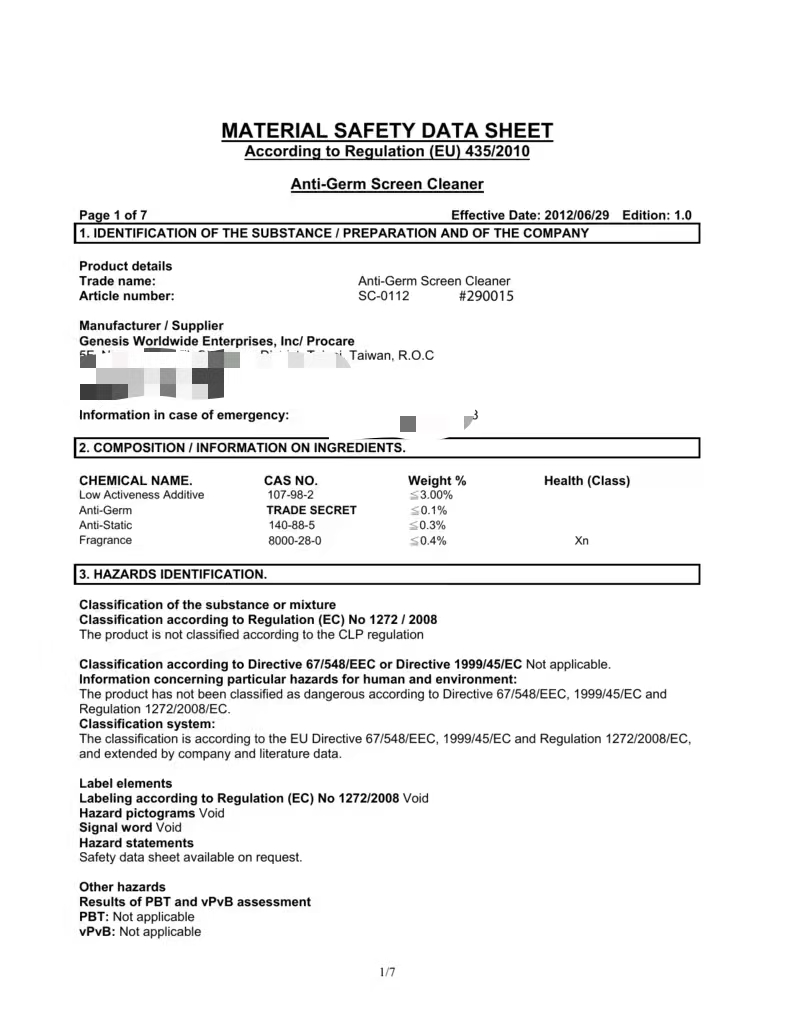
An MSDS, or Material Safety Data Sheet, is a technical document that provides detailed information about the properties, hazards, handling, storage, and emergency measures related to a chemical substance or product. Although many regions have transitioned to the term SDS (Safety Data Sheet) under the Globally Harmonized System of Classification and Labelling of Chemicals (GHS), the two terms are often used interchangeably in transport contexts.
Importantly, MSDS/SDS serves as a safety and compliance reference for all parties involved in handling or transporting a material, particularly for potentially hazardous goods. It goes beyond basic product descriptions by detailing safety precautions, health effects, and emergency responses.
Why Do You Need an MSDS for International Transport?
Shipping internationally involves navigating complex regulations that differ by mode of transport—air, sea, road, and rail. While an MSDS is not always a formal transport document like an airway bill or dangerous goods declaration, it is widely required by carriers and customs authorities to assess safety and compliance.
Here’s why it matters:
Risk Identification: MSDS allows carriers and logistics professionals to identify hazards before loading cargo.
Compliance Verification: Many regulatory frameworks, such as the IMDG Code and IATA DGR, expect MSDS information during classification and declaration.
Emergency Preparedness: It provides guidelines for emergency response in case of spills, fire, or exposure.
Without a valid MSDS/SDS, shipments may be delayed, rejected, or subject to fines by carriers or customs officials.
Which Goods Require an MSDS?
Not all shipments need an MSDS. However, items with chemical or potentially hazardous properties often do.
Typical goods that usually require an MSDS include:
🚱 Liquids – such as industrial solvents, inks, and cleaners.
🔋 Electronics with batteries – especially lithium batteries, due to their transport risk.
☁️ Powders – which may pose inhalation or explosion risks.
🧴 Cleaning chemicals and solvents – due to their reactive properties.
🌾 Pesticides and fertilizers – often toxic or environmentally sensitive.
💊 Pharmaceuticals and cosmetics – chemical ingredients may trigger regulatory requirements.
🛠 Adhesives and automotive supplies – with volatile components or flammable properties.
Even products not initially classified as dangerous may still need an MSDS to confirm their status and determine the correct handling and transport category.
🧑🔧 Who Can Prepare an MSDS?
Typically, the responsibility for preparing or providing an MSDS lies with:
🏭 1. Manufacturers
The entity that produces the substance must provide accurate information about the product’s chemical composition and hazards.
📦 2. Suppliers and Importers
When products are imported or distributed, importers or suppliers often need to offer MSDS to downstream users.
📊 3. Third-Party Agencies
Professional labs or compliance service providers can compile MSDS by analyzing chemical properties and hazards. This is especially useful when the manufacturer hasn’t provided adequate documentation.
Crucially, whoever prepares the MSDS must ensure its accuracy, completeness, and compliance with international standards.
What Information Does an MSDS Include?
Modern MSDS/SDS documents follow the GHS-aligned 16-section format, which organizes information into standardized sections such as:
Product and supplier identification
Hazard identification
Composition and ingredient details
First aid and firefighting measures
Handling and storage precautions
Exposure controls and personal protection
Physical and chemical properties
Transportation and regulatory information
This structure helps ensure that all relevant audiences—workers, logistics professionals, emergency responders—can find and use essential safety information quickly.
Practical Tips for Shippers
✔ Always request the current MSDS from your supplier before booking international transport.
✔ Check Section 14 of the MSDS for transportation-related details.
✔ Update the MSDS if product composition or safety data changes.
✔ Use it to support customs clearance and dangerous goods declarations.
Well-Known Testing Laboratory Institutions
Globally, there are several highly respected testing, inspection, and certification laboratories that support product safety, quality assurance, and regulatory compliance.
Among the most recognized international names are SGS S.A., a Swiss-based leader in inspection, verification, testing, and certification with thousands of laboratories worldwide; Bureau Veritas, a French company with a broad global network providing testing and certification across many industries; and Intertek, a British multinational offering extensive assurance and product testing services across more than 100 countries.
Other notable global players include Control Union with its international laboratory network and ACT Lab, an ISO/IEC 17025-accredited facility specializing in consumer product testing. In China, prominent institutions include China Certification & Inspection (Group) Co., Ltd. (CCIC), a state-owned enterprise with a broad domestic and international testing footprint; V-Trust Lab, which focuses on hazardous substances and conformity testing for export markets; and Standard Testing Group (Stande), a domestic leader in industrial and scientific testing services. Additionally, specialized labs such as Runningland Metrology & Testing Co., Ltd. also contribute to China’s growing third-party testing ecosystem.
In Summary
Anyone who transports chemical or potentially hazardous goods internationally must understand MSDS/SDS.This document not only helps identify hazards and safety measures but also supports regulatory compliance, risk management, and smooth logistics operations. Whether you are a manufacturer, shipper, or freight forwarder, knowing what MSDS is and when it’s needed can save time, reduce risk, and avoid costly delays.