
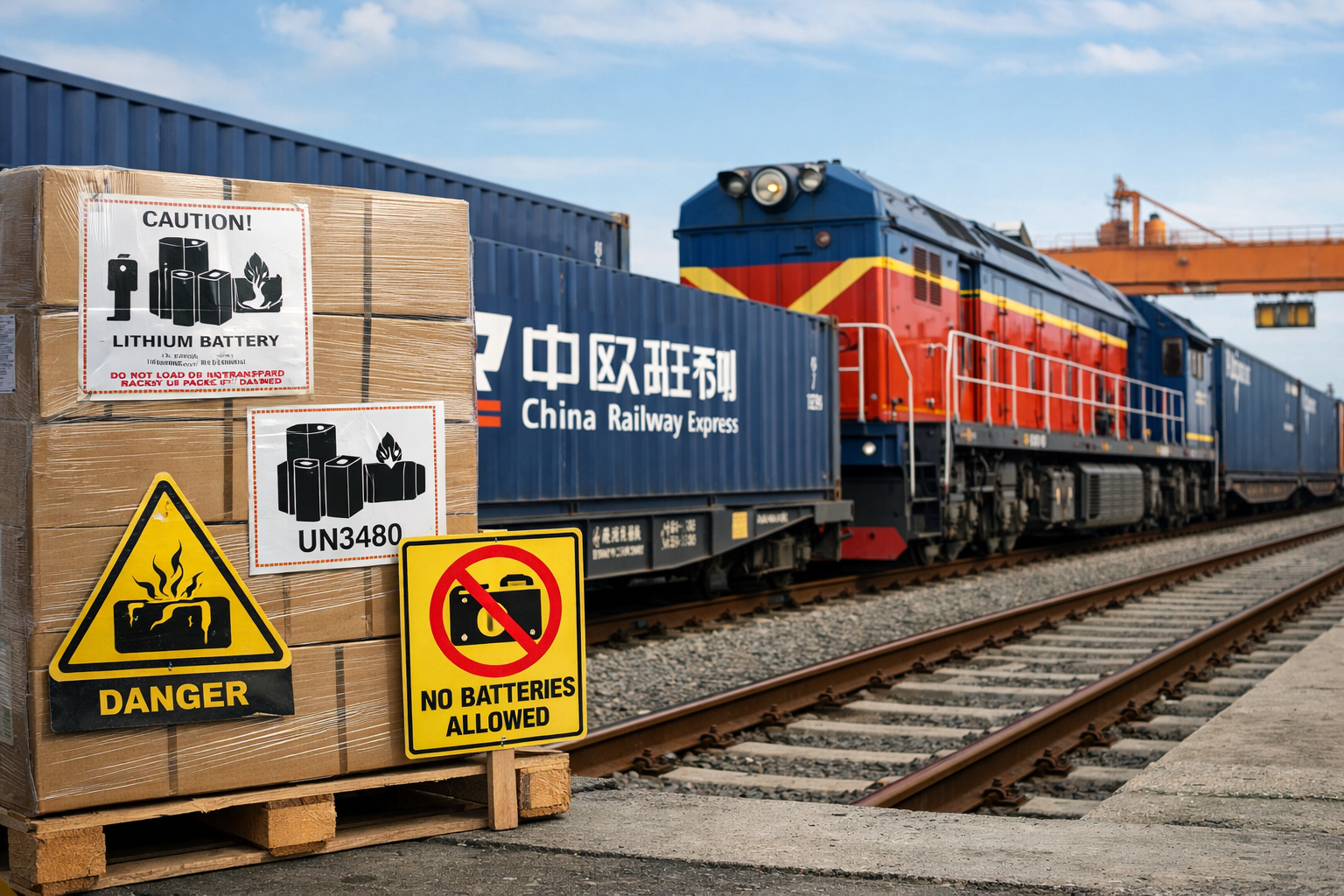
Why Railway Freight Completely Refuses Battery Cargo
Railway freight plays a vital role in Eurasian trade. In recent years, the China Railway Express has connected China with
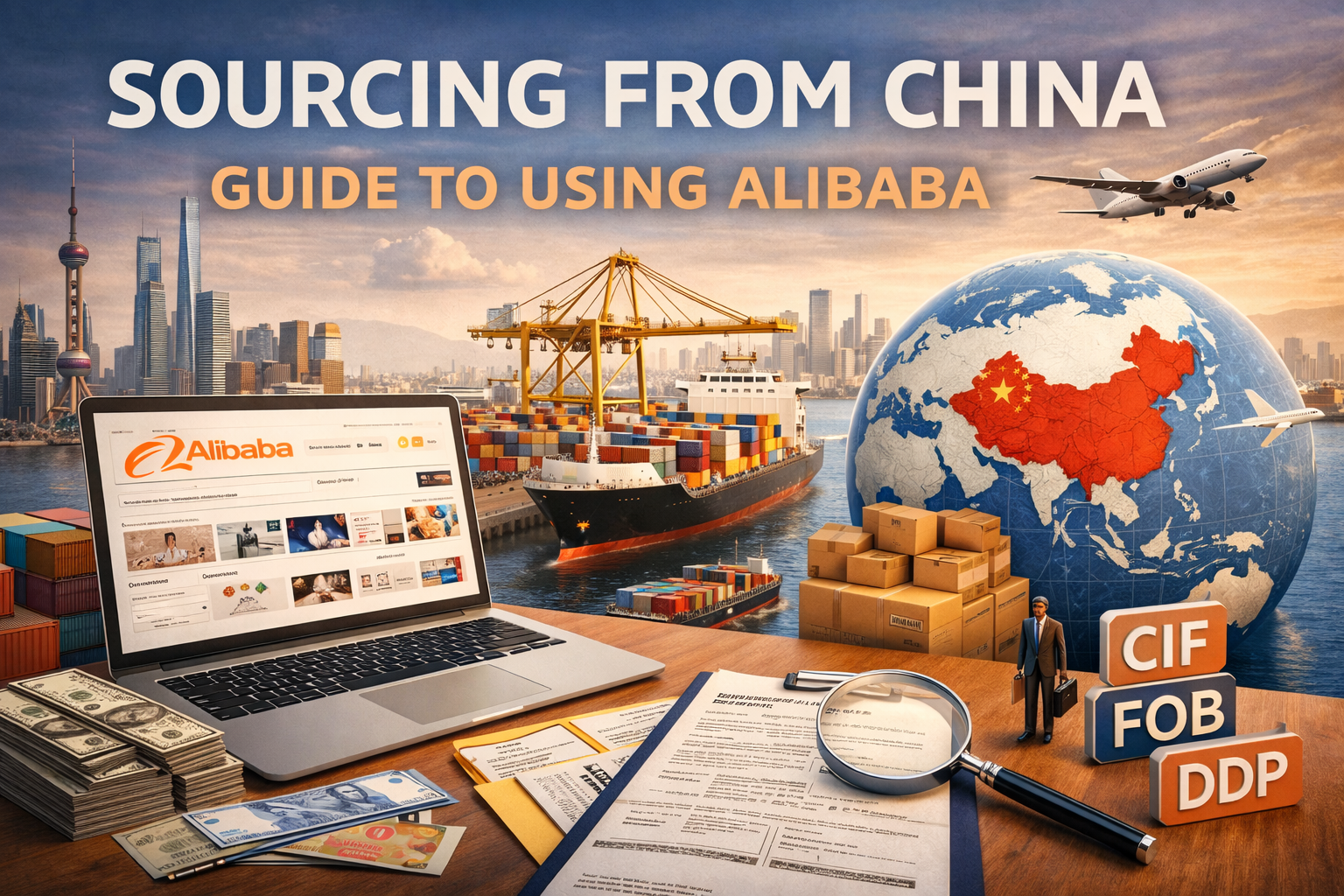
As one of the world’s largest manufacturing hubs, China offers vast sourcing opportunities, with Alibaba serving as a major platform connecting buyers to reliable suppliers.However, successful sourcing requires more than just placing an order online. Buyers must understand basic foreign trade concepts, transaction risks, and international shipping procedures.
With the groundwork set, the following sections break down the sourcing process on Alibaba, guiding you from supplier selection all the way to final delivery.
Before working with Chinese suppliers, it is important to understand several core trade concepts.
Incoterms define the responsibilities of buyers and sellers. Common terms on Alibaba include:
EXW (Ex Works): Buyer bears almost all costs and risks
FOB (Free On Board): Seller handles export clearance; buyer controls main transport
CIF (Cost, Insurance, and Freight): Seller arranges ocean freight to destination port
DDP (Delivered Duty Paid): Seller delivers goods to the buyer’s door with duties paid
Understanding and selecting the right Incoterm is essential, as it directly shapes both cost management and risk responsibilities.
Typical payment options include:
Trade Assurance
Telegraphic Transfer (T/T)
Letter of Credit (for larger orders)
As a result, choosing the right method requires balancing both security and flexibility.
Before moving forward, it is important to recognize that not all Alibaba suppliers operate at the same level.
Verified supplier status
Years of export experience
Factory audits and certifications
Clear product specifications and samples
Always communicate directly with suppliers and request samples before placing bulk orders.
International sourcing involves both commercial and operational risks.
Use Alibaba Trade Assurance whenever possible
Confirm product specifications in writing
Set clear quality standards and inspection terms
Avoid full prepayment for large orders
Clear contracts and documentation help prevent disputes later.
Once an order is placed, production oversight becomes critical.
Recommended steps include:
Production timeline confirmation
Pre-shipment inspection
Final quality approval before balance payment
To further ensure product reliability, many buyers turn to third-party inspection services before moving on to shipping and delivery.
Before moving forward, it is important to recognize that not all Alibaba suppliers operate at the same level.
Sea Freight: Cost-effective for bulk cargo
Air Freight: Faster but more expensive
Express Courier: Suitable for small, urgent shipments
Commercial Invoice
Packing List
Bill of Lading or Air Waybill
Buyers must understand import requirements in their destination country, including:
HS codes
Import duties and taxes
Product compliance standards
Proper documentation is vital, since failure to prepare it can result in shipment delays or customs penalties.
Yes, if buyers follow best practices such as supplier verification and secure payment methods.
FOB offers more control over shipping, while DDP provides convenience for beginners.
Overall lead times can vary significantly, shaped by both production requirements and shipping choices.
Alibaba offers powerful opportunities for sourcing from China, but success depends on preparation and knowledge. By mastering trade fundamentals and planning both transactions and shipping ahead, buyers can ensure a more reliable and efficient supply chain.
A professional approach to sourcing sets the stage for sustainable advantages in global trade.
Railway freight plays a vital role in Eurasian trade. In recent years, the China Railway Express has connected China with
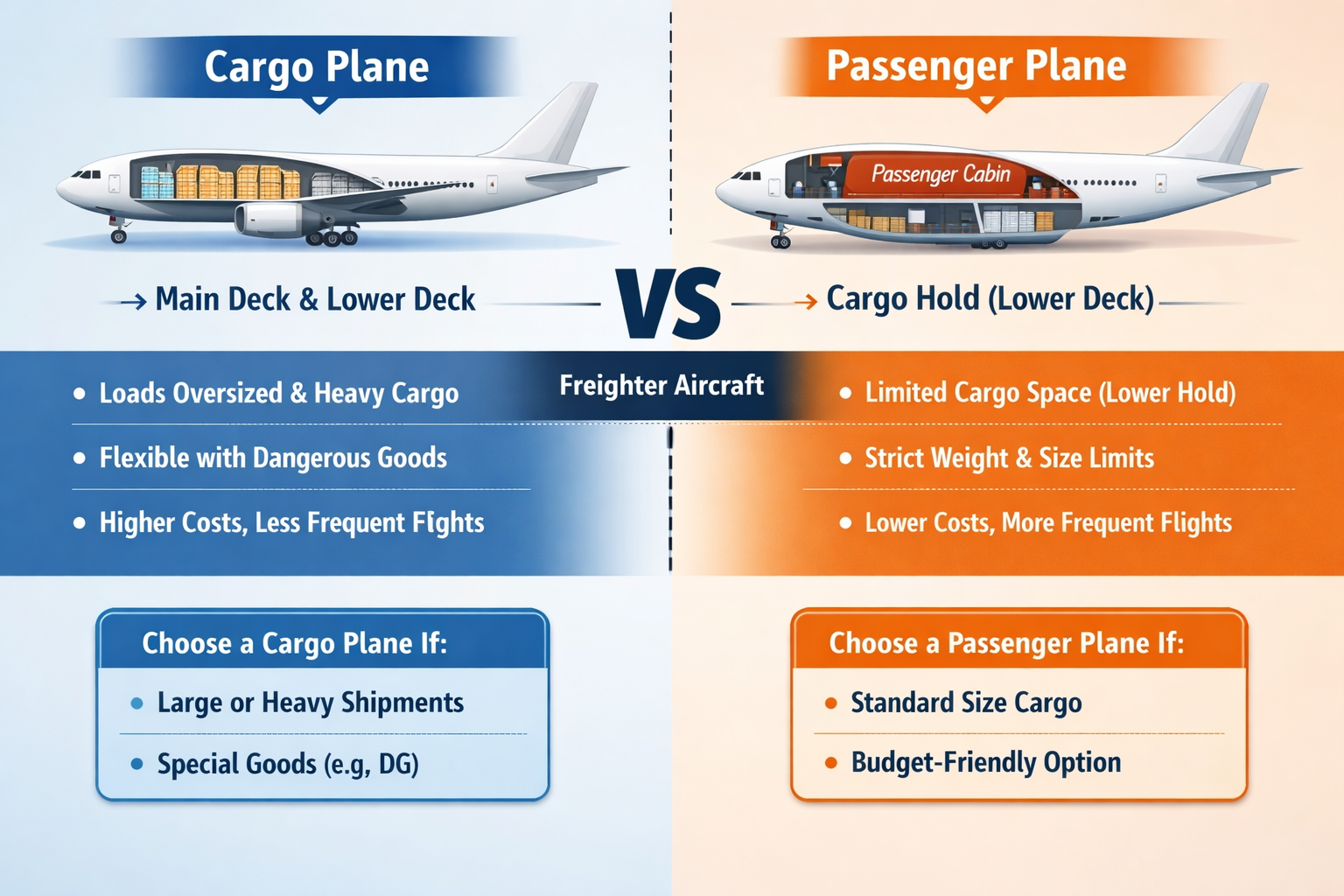
When you ship goods by air, you must first understand which type of aircraft will carry your cargo. Airlines operate