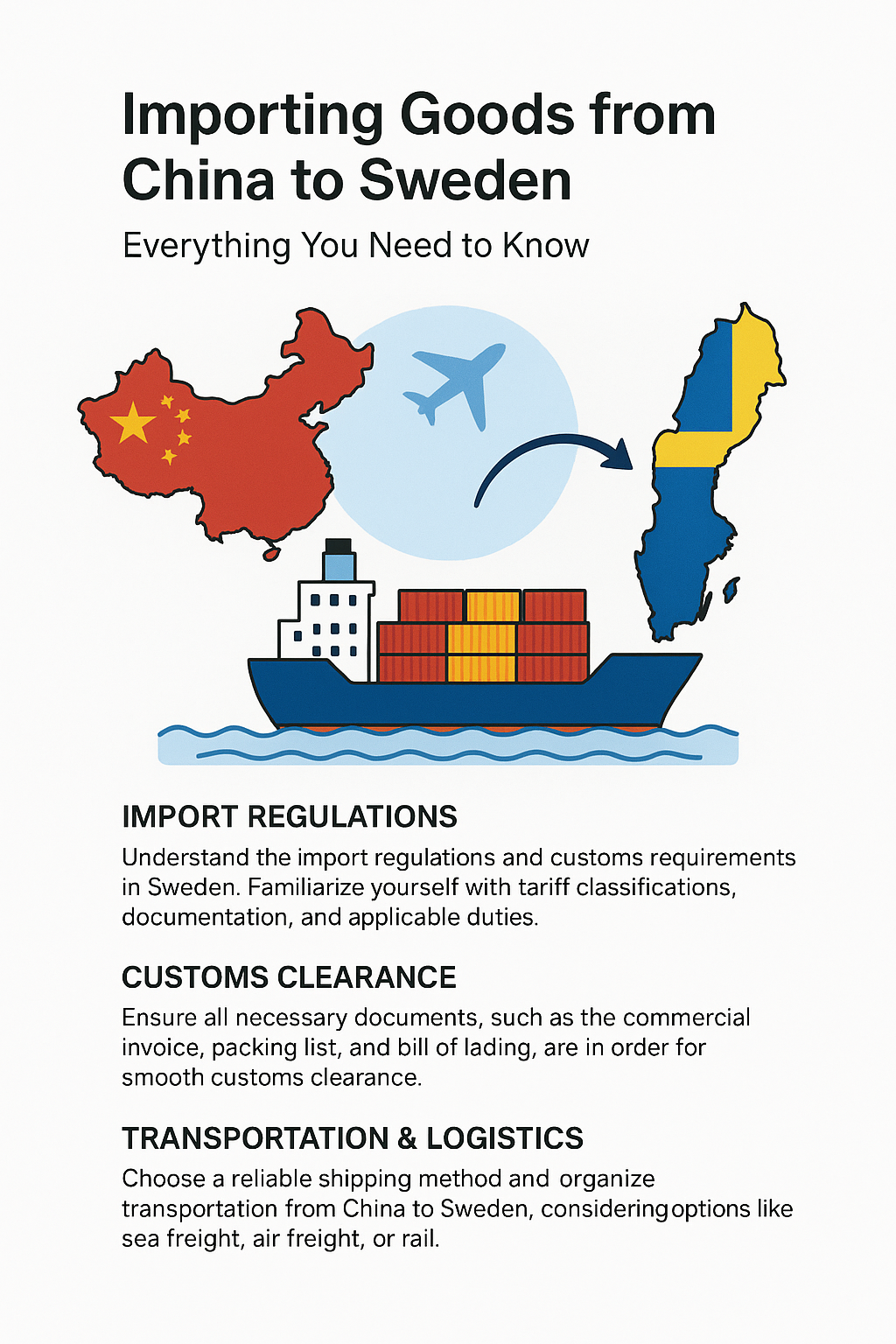
Importing goods from China to Sweden is a common practice for European businesses seeking competitive pricing and a wide range of products. However, Sweden, as part of the European Union, has strict regulatory, tax, and logistics requirements. Understanding these key points will help you avoid delays, extra costs, and compliance risks.
1. EU and Swedish Import Regulations
As an EU member state, Sweden follows EU-wide customs regulations while also enforcing national rules. Importers must ensure that products comply with EU directives such as CE marking, REACH, RoHS, and other product-specific regulations. Certain goods, including electronics, medical devices, chemicals, and food-related products, may require additional certification or pre-approval before shipment.
2. Customs Clearance and Documentation
Accurate and complete documentation is critical for smooth customs clearance in Sweden. Typical required documents include a commercial invoice, packing list, bill of lading or air waybill, and, where applicable, certificates of origin or conformity. All documents should clearly state the HS code, cargo description, value, and Incoterms. Errors or inconsistencies may result in inspections or customs delays.
3. Import Duties and VAT
Sweden applies EU Common Customs Tariffs based on HS codes. In addition to customs duties, import VAT is charged, currently at the standard Swedish VAT rate. Registered EU companies may be able to defer or reclaim VAT through their VAT reporting, while non-EU importers usually need a local fiscal representative. Proper tax planning can significantly improve cash flow.
4. Choosing the Right Incoterms
Selecting appropriate Incoterms is essential when importing from China to Sweden. Commonly used terms include FOB, CIF, and DDP. FOB gives the importer more control over freight and costs, while DDP offers a door-to-door solution with duties and taxes included. The choice depends on your logistics experience, risk tolerance, and cost structure.
5. Transportation Modes and Transit Time
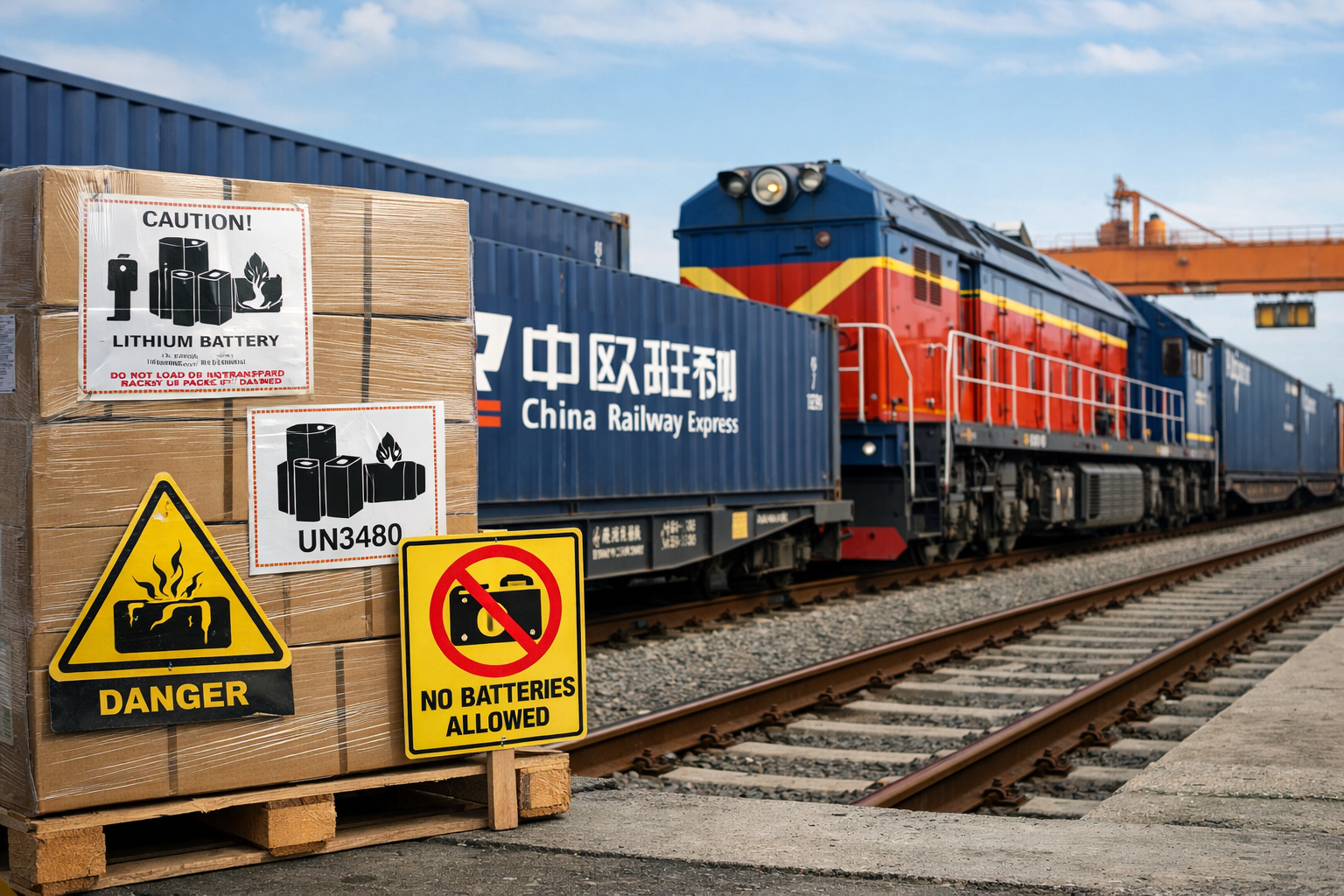
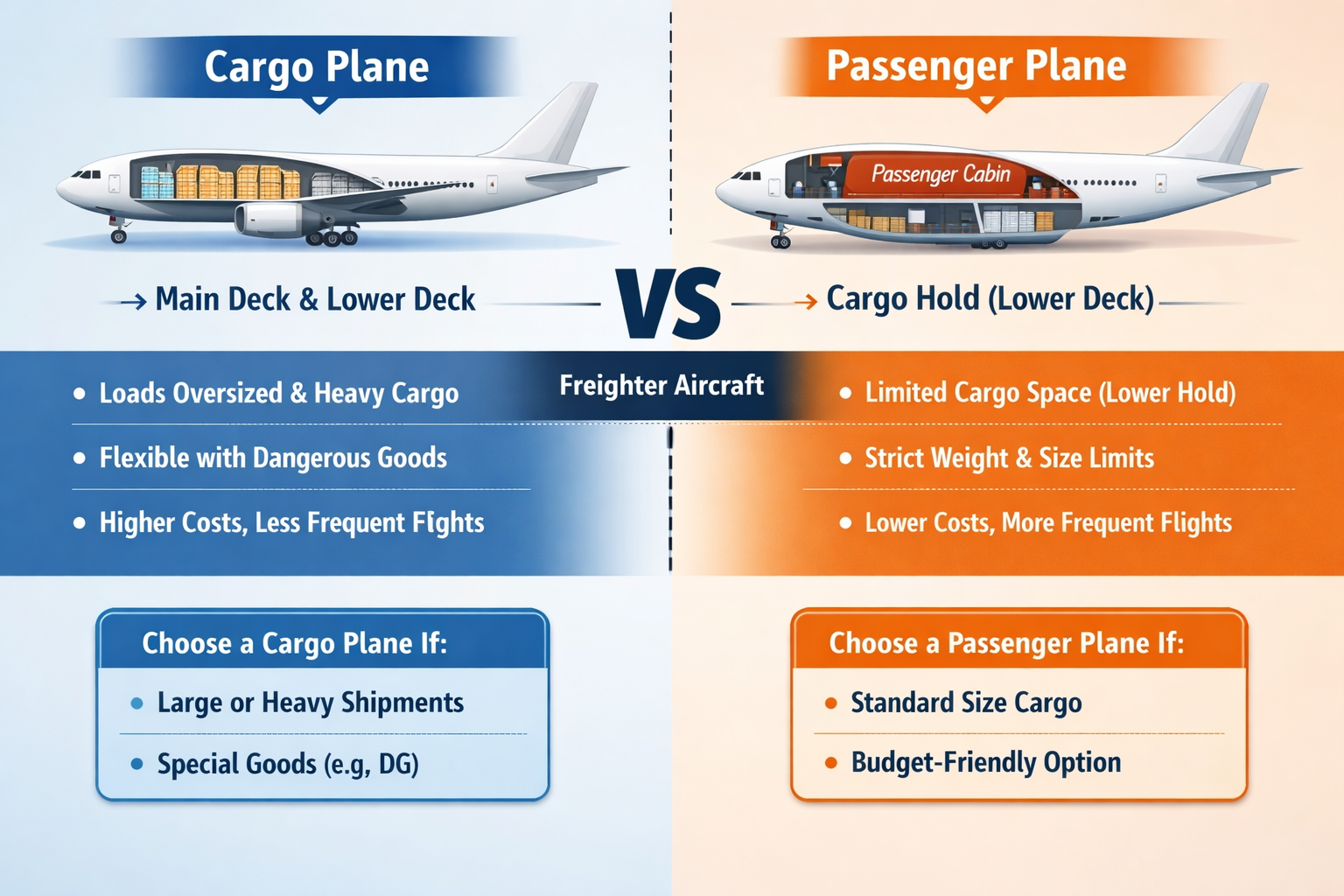
Sea freight is the most cost-effective option for large volumes, typically arriving at ports such as Gothenburg. Air freight is suitable for urgent or high-value goods, while China–Europe rail freight offers a balance between cost and transit time. Each mode has different implications for cost, lead time, and carbon footprint, which is increasingly important in the Swedish market.
6. Sustainability and Environmental Compliance
Sweden places strong emphasis on sustainability and environmental responsibility. Importers should consider eco-friendly packaging, emissions reporting, and compliance with EU environmental standards. Demonstrating sustainable practices can also enhance brand reputation and market acceptance in Sweden.
7. Working with a Professional Freight Forwarder
An experienced international freight forwarder can help manage compliance, optimize routes, and handle customs clearance efficiently. Professional support reduces risks, improves predictability, and allows importers to focus on sales and supply chain strategy rather than operational complexity.
Conclusion
Importing goods from China to Sweden requires careful planning, regulatory compliance, and the right logistics strategy. By understanding customs requirements, taxes, Incoterms, and transportation options, businesses can build a reliable and cost-effective supply chain into the Swedish and wider EU market.