When you ship goods by air, you must first understand which type of aircraft will carry your cargo. Airlines operate both dedicated freighter aircraft and passenger aircraft with cargo space, and each option offers different advantages. Therefore, choosing the right one directly affects cost, transit time, and cargo restrictions
1️⃣ Aircraft Structure and Cargo Capacity
✈️ Freighter Aircraft (Cargo Planes)
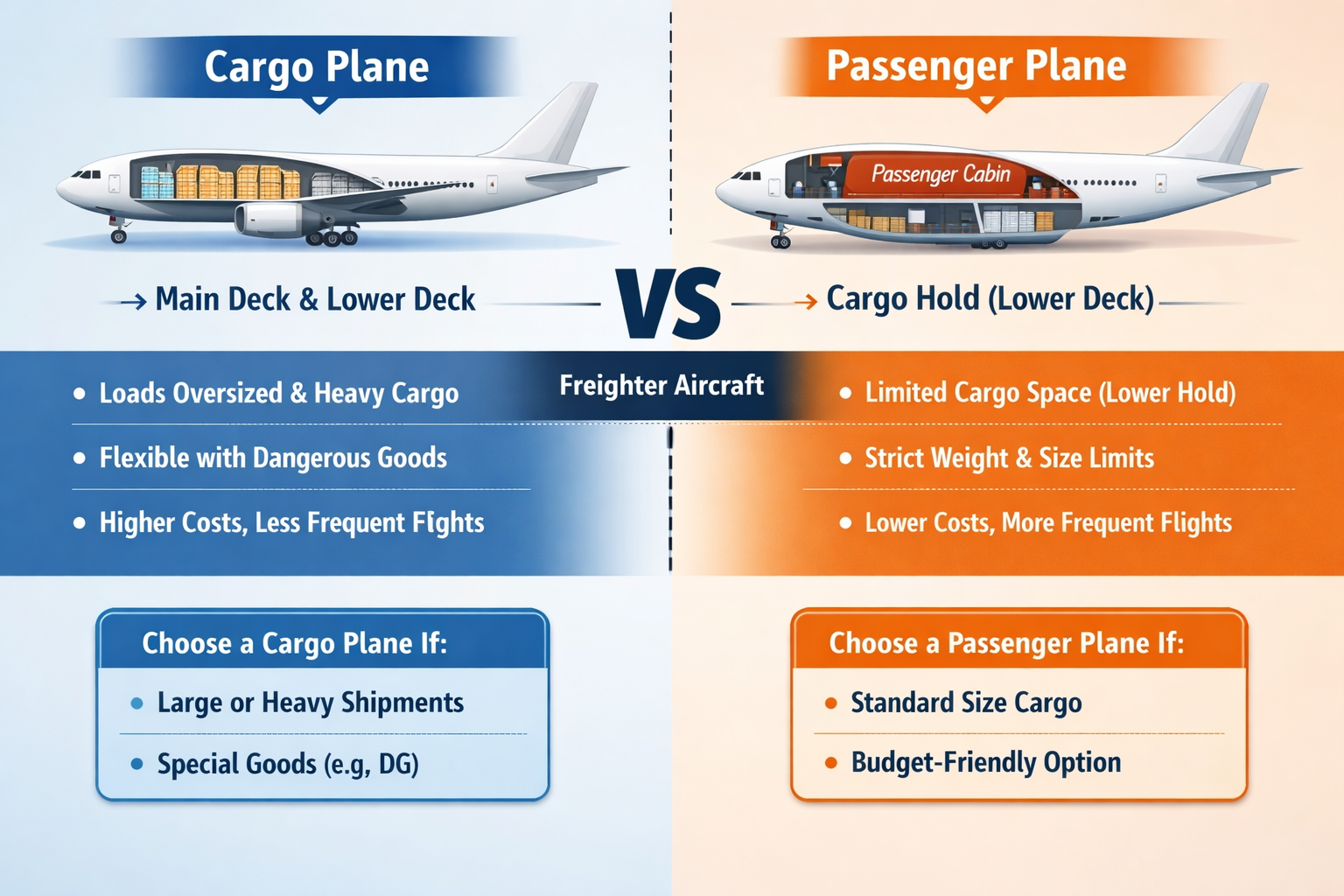
Dedicated cargo aircraft, such as the Boeing 747-8F or Boeing 777F, are designed exclusively for freight. Airlines remove passenger seats and reinforce the entire fuselage to handle heavy pallets and containers.
As a result:
They load cargo on both the main deck and lower deck.
They can handle oversized and heavy shipments.
They allow higher weight per piece.
In other words, if your shipment includes machinery, large equipment, or palletized cargo above standard dimensions, a freighter aircraft provides the flexibility you need.
🛫 Passenger Aircraft (Belly Cargo)
In contrast, passenger aircraft carry cargo only in the lower hold (belly space). For example, wide-body aircraft such as the Boeing 777 or Airbus A350 transport passengers on the main deck and freight below.
Therefore:
Cargo capacity is limited.
Piece weight and height restrictions are stricter.
Airlines prioritize passenger baggage.
However, passenger flights operate more frequently. Consequently, belly cargo often offers more daily departure options on major routes.
2️⃣ Cost Differences
Generally speaking, freighter aircraft cost more per kilogram. Because airlines operate them solely for cargo, they must recover operational expenses entirely from freight revenue.
On the other hand, passenger aircraft generate revenue primarily from ticket sales. As a result, airlines can offer competitive air freight rates for belly cargo, especially on high-volume routes.
Therefore:
If your shipment is standard and flexible in size, passenger belly space often reduces cost.
If your cargo is oversized or urgent with guaranteed uplift, freighters provide better reliability despite higher rates.
3️⃣ Cargo Restrictions
Freighter aircraft can transport:
Dangerous goods (with proper declaration)
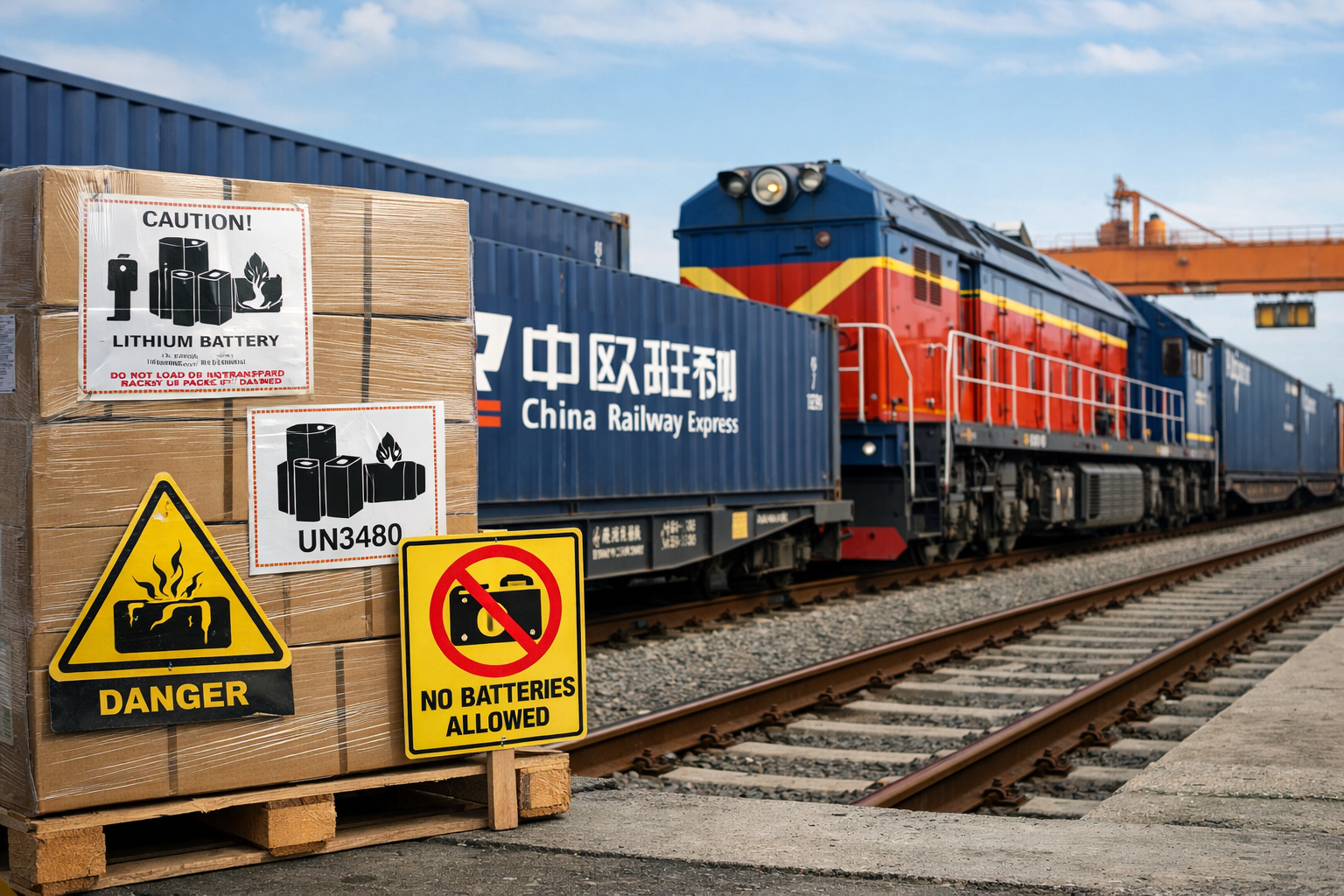
Lithium batteries (under certain regulations)
Large industrial equipment
Odd-shaped cargo
In contrast, passenger aircraft follow stricter safety rules because passengers are onboard. Therefore, airlines restrict certain dangerous goods or limit battery quantities in belly cargo.
Consequently, if your shipment involves DG cargo or special commodities, you should confirm aircraft type before booking.
4️⃣ Schedule and Stability
Passenger aircraft operate daily on most international routes. For example, routes between Asia, Europe, and North America often have multiple daily departures. Therefore, belly cargo may move faster if space is available.
However, airlines cancel or adjust passenger flights based on ticket demand. When that happens, cargo space disappears as well.
In contrast, freighter aircraft operate based on cargo demand. Therefore, during peak seasons or supply chain disruptions, dedicated freighters often provide more stable uplift capacity.
5️⃣ When Should You Choose Each Option?
Choose Freighter Aircraft When:
Cargo is oversized or overweight
Shipment includes dangerous goods
You need guaranteed uplift
Volume is large (multiple pallets or full ULDs)
Choose Passenger Belly Cargo When:
Cargo fits standard pallet size
Budget control is important
Route has frequent passenger flights
Shipment is relatively light
Summary
Freighter aircraft offer flexibility and heavy-lift capability, while passenger aircraft provide cost efficiency and frequent schedules. Therefore, you should evaluate your shipment’s size, urgency, cargo type, and budget before selecting the aircraft type.
If you plan international air freight shipments regularly, you should always confirm:
Aircraft type
Space availability
Dangerous goods policy
Cut-off time
By doing so, you reduce delays and control costs more effectively.